
Paint & protection
Which PPF Coverage Makes Sense for Your Drive?
October 31, 2026 · 6 min read
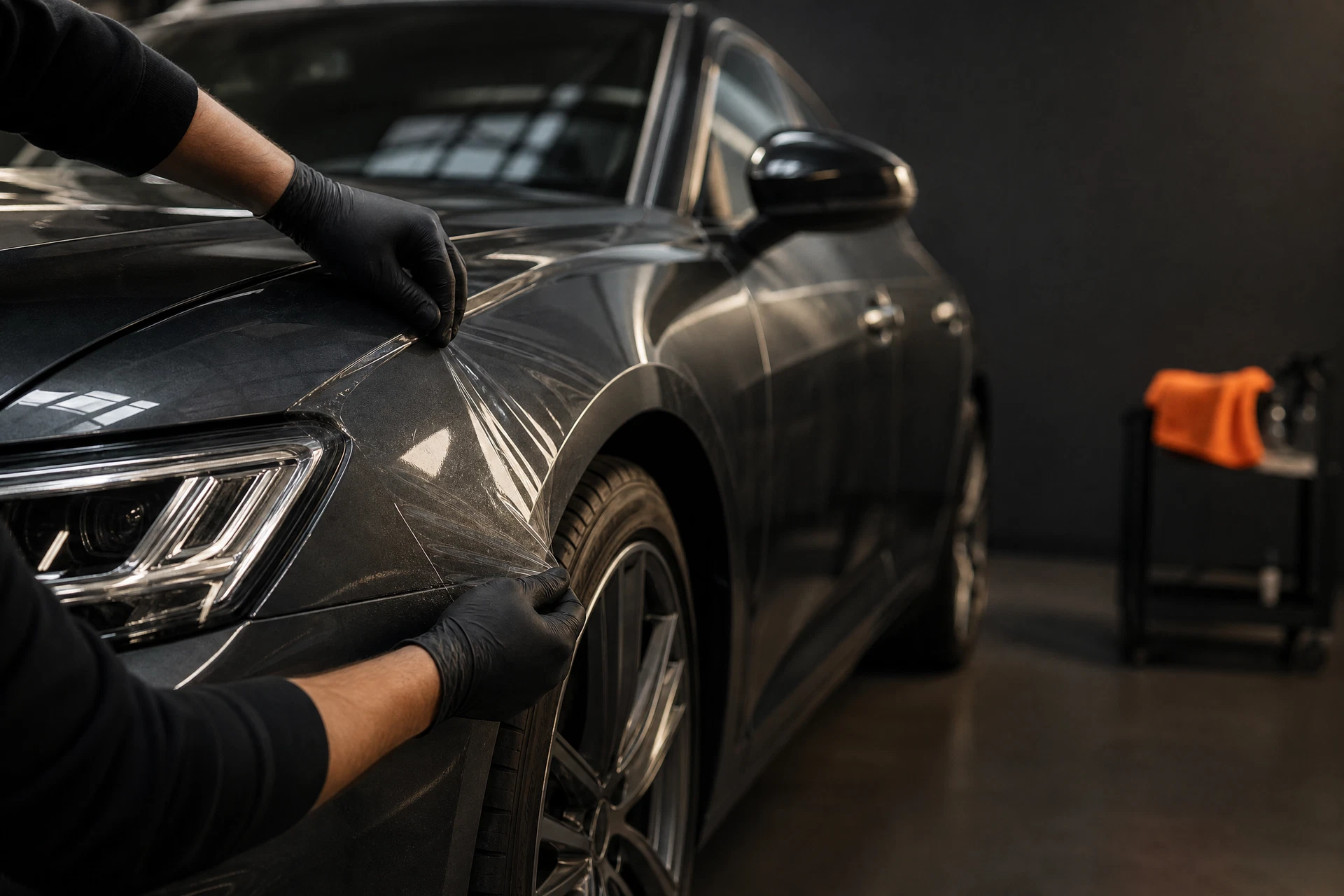
If your main concern is road wear on the painted nose of the vehicle, start by discussing Full Front paint protection film (PPF). Move to High-Impact Coverage when specific painted areas beyond the front keep taking abuse, and consider Full Vehicle only when consistent protection across the painted exterior matters to you. The package name is less important than the actual covered panels, film boundaries, paint condition, and exclusions. Traditional PPF, Peelclear: Peelable Paint Protection, and ceramic coating solve different problems; none makes paint immune to damage or replaces repair and normal care. Before choosing, have Bravada look at the visible condition and vehicle shape, then put the final scope in writing.
Start with Full Front if freeway wear is your main concern
If you are looking at a clean new vehicle and thinking about the next freeway commute, or you are already noticing chips around the bumper and hood edge, Full Front is usually the right place to start. It focuses the conversation on the painted areas that meet road debris first instead of asking you to buy broad exterior coverage by default.
At Bravada, Full Front is a vehicle-specific front-end plan, not a promise that every vehicle receives the same panel list. The bumper, hood, front fenders, mirrors, and leading surfaces are common areas to discuss. The actual scope depends on the vehicle's shape, trim, vents, paint condition, and the film selected. For most drivers whose concern is ordinary front-end road wear, that targeted approach is a more practical recommendation than jumping straight to Full Vehicle.
Let the marks and the route tell you what to add
Look at the wear you can point to before comparing package names. Chips on the bumper, marks along a hood's leading edge, bug residue on the front end, tar behind the wheels, or scuffs near a loading area all identify a panel worth discussing. A regular freeway route, construction corridors, gravel, parking conditions, and frequent cargo loading can change which painted areas deserve attention.
Your mileage does not choose a package for you. A short-trip vehicle may still need a wider plan if one exposed area bothers you every time you see it. A long commuter may be well served by Full Front if the rest of the painted exterior is not a priority. The useful question is simple: which unprotected panels would you be disappointed to leave exposed?
Use High-Impact Coverage for the specific painted areas beyond the front
High-Impact Coverage is the middle-ground conversation when Full Front feels too narrow but broad exterior coverage does not make sense for you. It can include exposed painted areas beyond the selected front-end scope, such as a low rocker panel or a painted area near the rear wheel, when those are the places you expect to take wear.
It is not a universal package with the same included panels on every vehicle. Bring photos of chips or scuffs if you have them, especially a full-panel view and a close view of the mark. Photos can help us understand what is catching your attention; an in-person look is where we can discuss the paint condition, panel shape, and the coverage boundaries that make sense for the vehicle.
Choose Full Vehicle only when consistency across the painted exterior matters
Full Vehicle is the broadest exterior choice, and it makes sense when you want a consistent protection plan across much of the painted exterior rather than a smaller initial scope. XPEL presents high-impact-area and full-car PPF as separate coverage levels, which reflects the real decision: protecting the areas most exposed to wear is different from protecting the broader painted exterior.
Do not read the name as a substitute for the written scope. Ask whether the plan includes or excludes the roof, pillars, rocker panels, jambs, trim, headlights, and other detailed or non-painted areas. Complex shapes can require visible coverage boundaries or relief cuts with traditional PPF, and those details are worth seeing and discussing before the work begins.
Compare the covered panels before you compare the total
Two estimates can use similar labels and describe different work. Before you weigh the price, compare the covered painted panels, excluded areas, where film boundaries or edges may be visible, the film or product quoted, and any notes about current paint condition. Curves, trim, vents, and panel detail can change both the amount of film and where the coverage stops.
Existing paint issues belong in the same conversation. PPF is not a repair for chipped paint, failing clear coat, or an unknown prior repair. If a visible mark is your main concern, separate the repair or paint-correction question from the protection question: first, what condition is the paint in; then, which sound painted panels do you want to protect?
PPF, Peelclear, and ceramic coating solve different problems
Traditional paint protection film is an adhesive film applied to selected panels or a broader exterior scope. It is a strong physical-protection option for exposed painted surfaces. 3M describes its Scotchgard Paint Protection Film Pro Series 200 as designed to help protect paint from rock chips, scratches, bug damage, tar, stains, and weathering. That describes the types of everyday exposure a selected film is designed to address, not a promise that a panel cannot be damaged. Hard impacts, deep scratches, chemical exposure, collisions, damage underneath the film, and poor maintenance can still create a paint or repair problem. Film edges can also need attention over time.
Peelclear: Peelable Paint Protection is a separate, spray-applied peelable paint protection system. It is worth discussing if you want clear protection, a color or finish change, or have a bumper or sharply styled panel where traditional film edges are a concern. Its fit for your vehicle, finish, removal, care, and any warranty terms should be discussed with the selected Peelclear system and current manufacturer documentation in mind. Ceramic coating is another separate choice: it can support gloss, water behavior, and routine washing after proper preparation, but it does not stop a rock strike or eliminate normal washing.
Bring the vehicle in before you settle on the coverage
A consultation is the useful next step when you are deciding between front-end, high-impact, and broader coverage. We will look at the visible paint condition and any existing chips or scuffs, identify the panels you are concerned about, and discuss the vehicle's contours, film boundaries, and protection options in plain language. If paint correction or repair is part of the decision, we will explain that as a separate conversation rather than treating film as a fix for the underlying issue.
Bring a few photos if you want to start the conversation before the visit, then ask for the final covered panels, exclusions, product, and paint-condition notes in writing. The goal is not the biggest package label. It is a coverage plan you understand, including what is protected, what is outside the scope, and why it fits the way you use your vehicle.