Repair decisions
Does Your Bumper Repair Need ADAS Calibration?
October 31, 2026 · 5 min read
A bumper repair can require ADAS calibration when an impact, bumper removal, replacement, or refit affects a camera, radar unit, parking sensor, wiring, bracket, or mounting area—or when the vehicle maker’s procedure calls for it. A scuff by itself does not make calibration automatic. If the bumper no longer sits flush, there is loose trim, or a new warning message appeared, bring the vehicle in before approving a repair plan. Bravada can inspect the visible damage and fit, identify what needs confirmation, and explain the repair scope in plain language.
A shifted bumper or new warning message deserves an in-person look.
If your bumper has a light scrape and still sits flush, photos are a reasonable place to start. If it is cracked, loose, sitting proud near a light, or followed by a new parking-assist, camera, collision-warning, or other dash message, we recommend an in-person assessment before you approve the repair. That is when the question may be larger than paint and plastic.
Calibration is not automatic after every bumper repair. It may be needed when the impact or repair affects a camera, radar unit, parking sensor, its bracket, wiring, or the way that equipment sits on the vehicle. The deciding factor is the equipment near the damage and the manufacturer procedure for your exact vehicle and repair—not how minor the bumper looks in a photo.
Some driver-assistance hardware sits behind the bumper.
Advanced driver-assistance systems use different hardware in different locations. Depending on the vehicle, forward-collision warning or automatic emergency braking may rely on a camera or radar, blind-spot detection may use radar behind the rear bumper, and parking assistance may use bumper-mounted sensors. Ford notes that some radar sensors are mounted behind bumpers or lamps.
That is why two similar-looking scuffs can lead to different repair conversations. A light mark at one bumper corner may be a paint repair discussion. A hit near a rear radar location, sensor opening, light, or panel gap calls for a closer look at what is around and behind the cover.
Bumper removal can change the scope—even when the cover is repairable.
The bumper cover may be repairable, but the work can grow if a sensor location, bracket, wiring connection, surrounding fit, or related panel was affected. Scope can also change when the cover has to be removed and reinstalled for access, a component is replaced, or a refitted part no longer returns to its original position. IIHS reports that automakers stipulate calibration when a sensor is removed, replaced, or reinstalled.
That is not a blanket rule for every vehicle or every bumper removal. Ford's collision guidance says bumper removal for access can require ADAS recalibration on Ford vehicles. It is a useful example of why the exact manufacturer procedure matters. The repair plan should follow that procedure and the work actually performed, rather than treating calibration as either an automatic add-on or something to skip because the damage appears light.
A dash alert gives the repair conversation useful context.
If a warning appeared after the impact, mention it when you request an estimate. When safely parked, take a photo of the message and note whether it appeared right away or later. Include that detail with the year, make, and model, plus a brief description of what happened.
An alert does not by itself prove that a sensor is misaligned or that calibration is required. A missing alert does not confirm that nearby equipment was unaffected either. Do not clear codes, disable a feature, or try to test automatic braking or other safety functions from the driveway. A repair-specific assessment and the applicable procedure are the right next steps.
Ask what changed before approving calibration or added work.
At the estimate, ask which camera, sensor, or driver-assistance system is near the repair area; whether the vehicle maker's procedure calls for aiming or calibration after the proposed work; and whether a scan, diagnosis, or calibration is a separate line item. Those questions give you a clear basis for reviewing the scope.
If inspection changes the plan, ask what finding changed it and how it appears in the revised estimate. California's Bureau of Automotive Repair says a shop may need disassembly to make an accurate estimate and must contact the customer about additional repairs; the customer must authorize added work. Whether you are considering a cash repair or opening a claim, get the current written scope first. An insurer decides coverage, payment, and policy questions; a repair shop can explain the vehicle-side work and the information behind it.
Bring the vehicle in when bumper fit or safety equipment is part of the question.
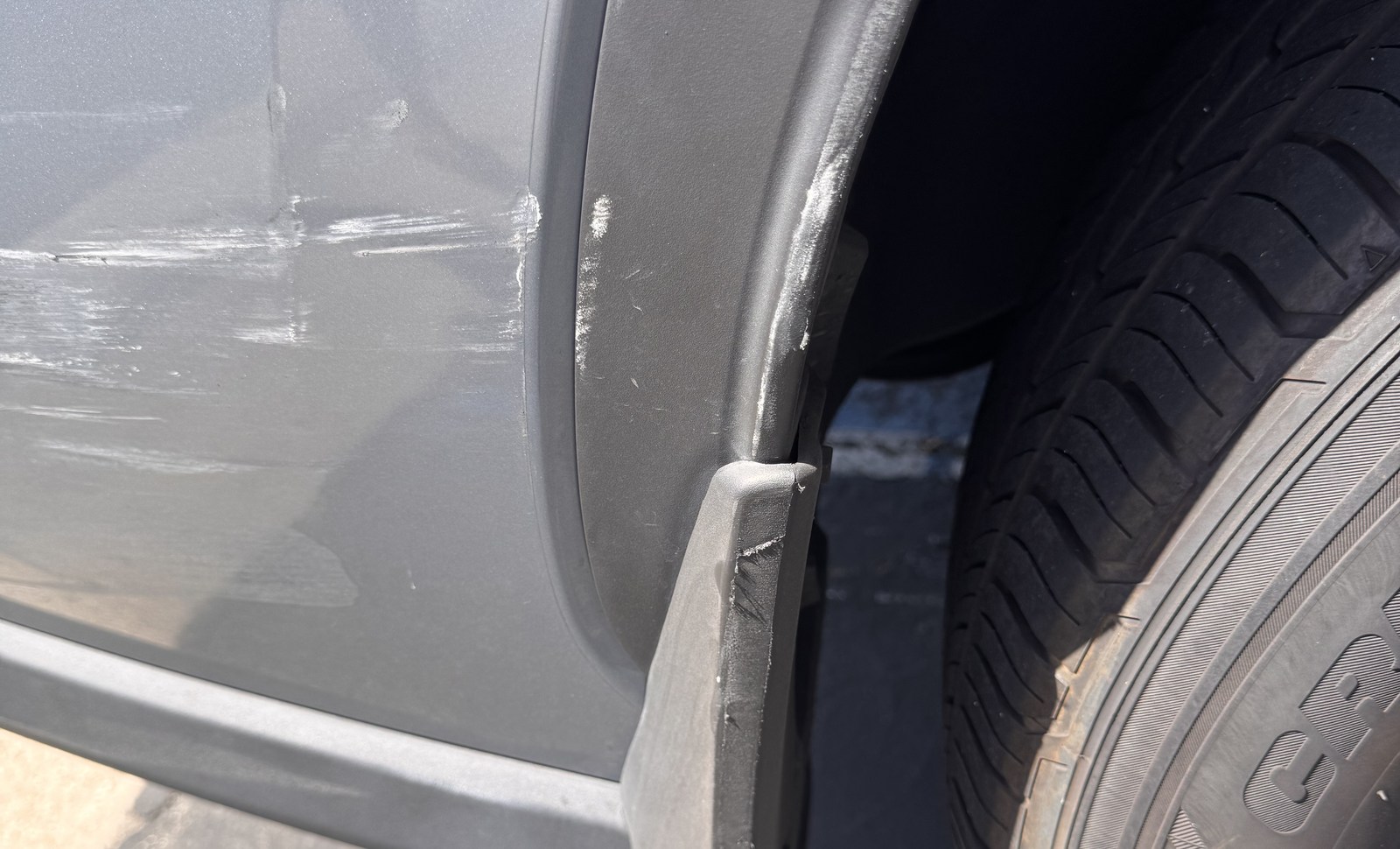
Send a wide photo of the full bumper, a close view of the damage, and a photo of the nearby light, trim, wheel area, or panel gap. Photos help us see where to start, but they cannot determine whether a system needs diagnosis, calibration, replacement, or no ADAS work at all.
Bravada focuses on small-to-medium collision repair. When you bring the vehicle in, we will look at the visible damage and surrounding fit, identify what still needs confirmation, discuss the repair options and manufacturer-procedure questions in plain language, and explain the tradeoffs before you decide how to proceed.