After an accident
Cash Repair or Insurance Claim? Start With the Repair Scope
October 31, 2026 · 6 min read
Do not decide from a driveway photo or a deductible alone. Get a current written repair scope and check your policy’s notice requirements. If the damage is meaningful, the extent is uncertain, another party is involved, or a covered benefit could matter, our practical recommendation is to contact the insurer or agent while you get the repair estimate. Cash can be a sensible choice for a clearly defined repair when you understand the possible added work and are comfortable carrying that cost. Bravada can explain the repair; the insurer decides coverage and payment under the policy.
If the damage is uncertain, talk to the insurer while you get the repair scope.
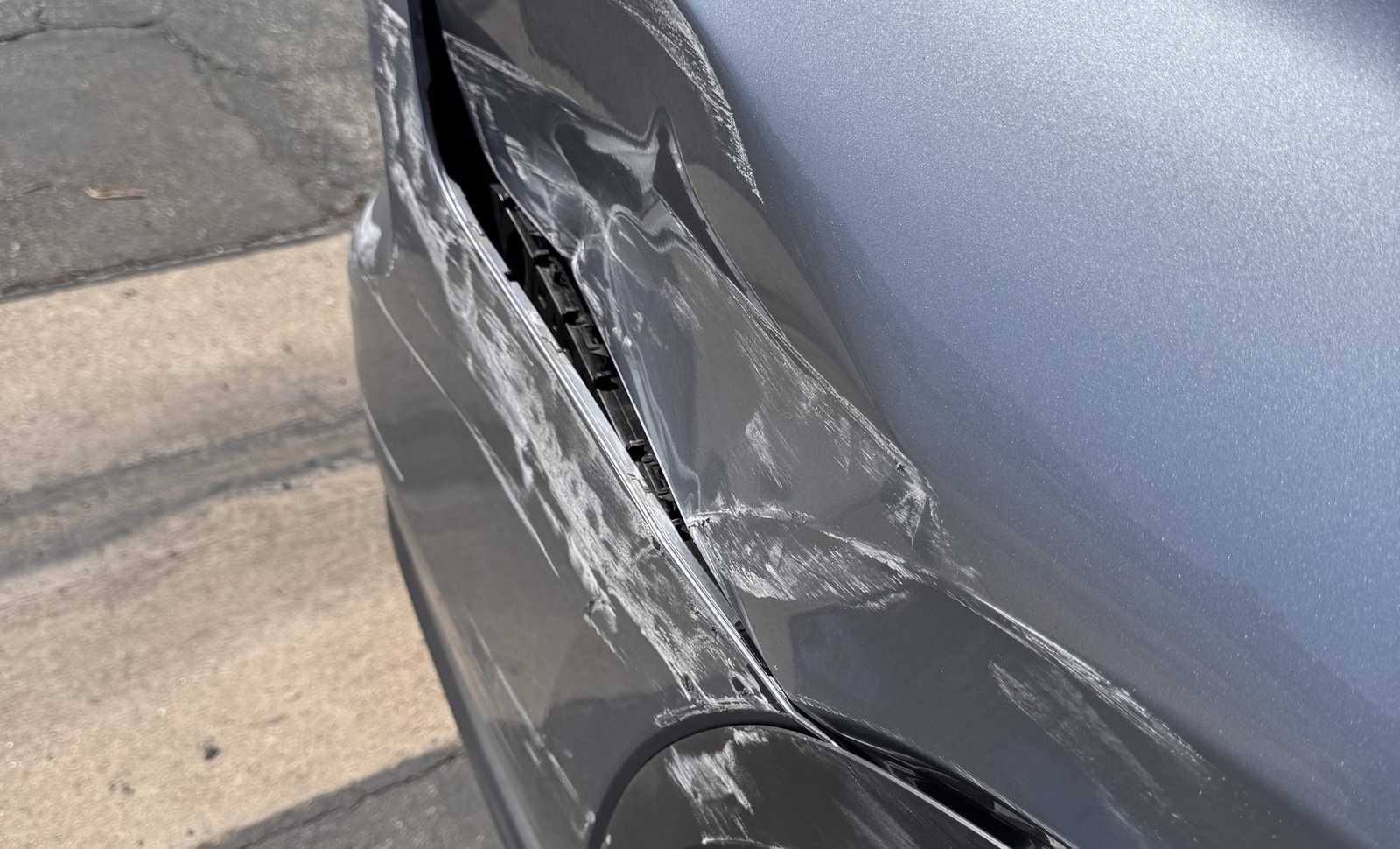
A bumper scrape that still sits flush can be a reasonable cash-repair conversation. A bumper that is proud near a headlight, loose trim, a broken light, a new warning light, a fluid leak, or a change in steering or braking feel changes the conversation. Those signs deserve prompt assessment; a webpage or a few photos cannot tell you what is safe to drive or what is damaged behind the visible panel.
Here is the practical rule we would give you at the shop: if the repair is meaningful, the scope is not clear yet, another person or property is involved, or a policy benefit could matter, call the insurer or agent while you get a current repair estimate. For a small, well-defined repair, cash may be reasonable if you have checked the policy’s notice requirements and can cover a revised scope if inspection finds more work.
Do both parts early. The California Department of Insurance advises drivers to notify their agent and/or insurance company immediately after an accident. Paying a shop yourself does not settle a possible claim involving another person, their property, an injury, or a reporting duty. Bravada can explain the vehicle-side repair information; the insurer decides coverage and what it will pay under the policy.
A photo starts the conversation; the written scope supports the decision.
Send the vehicle year, make, model, photos of the damage, any warning messages, and a note about new panel gaps or loose pieces. That gives us a useful first look. It does not establish the full repair, especially around a bumper cover, light, or wheel opening where mounts, trim, wiring, and nearby components may not be visible.
At an in-person assessment, Bravada can look at the visible panel damage, bumper fit, paint damage, trim, lights, and the areas that need closer confirmation. We will explain what the current plan addresses, what is still unknown, and whether the visible condition points to a repair conversation or a closer look before a decision. Bravada specializes in small-to-medium collision repair, including bumper damage, dents, damaged panels, paint damage, refinishing, and color-match work.
The first estimate should be a clear repair path, not a final promise before every affected area is accessible. California Bureau of Automotive Repair guidance describes a teardown estimate before diagnostic disassembly, then a new itemized estimate and authorization after teardown when additional work is needed. A cash repair deserves that same clarity. California repair rules require an estimate before repairs begin and customer authorization for repairs; added work requires another authorization.
Compare the work on each estimate before comparing the totals.
Two estimates can have different totals because they describe different work. Compare the panels and repair areas, whether the plan repairs or replaces a part, the paint and refinishing operations, and the related work included. A lower number may simply leave out work that is on the other estimate.
Part options are part of that conversation. We will discuss the options available for the repair and the repair plan that fits the vehicle and approved scope. When appropriate, we can ask for OEM parts; CAPA-certified alternatives and recycled OEM parts may also be options. Fit, condition, refinishing needs, availability, the vehicle’s design, insurer approval, and your authorization all affect what makes sense. No one should promise a particular part type before those details are known.
Ask what is confirmed now, what needs a closer look, and how you will be told about a change before work proceeds. That question matters whether you pay the bill directly or use a claim.
The deductible is a starting point, not the whole answer.
Set the current repair estimate next to the deductible, then look at the uncertainty you would be taking on. Can you comfortably cover the estimate if inspection reveals additional work? Does the loss involve another vehicle, a building, a parked car, or anyone else who may raise a separate claim? A bumper can look minor while the circumstances are not.
Ask the insurer or agent whether this loss is covered, which deductible applies, what notice or claim deadline the policy sets, and whether rental, towing, or storage coverage could apply. Those benefits depend on the policy and the circumstances; do not assume they apply because the work looks like a collision repair.
There is no universal dollar figure that makes cash or a claim the right choice. A claim can involve a deductible and policy-specific handling. Cash can leave you responsible for a changed repair scope. Claim frequency and type can affect premiums or renewal, but that outcome depends on the insurer, policy, driver history, claim type, and circumstances. A repair shop and a general article cannot predict it for your policy.
A claim does not take away your choice of repair shop.
If you may use insurance or have opened a claim, keep the claim number, adjuster information, photos, and vehicle details together. For covered auto body damage, the California Department of Insurance’s Auto Body Repair Consumer Bill of Rights says you may select the repair shop and that an insurer may not require you to use a specific facility. It also says you may obtain an independent repair estimate directly from a registered auto body repair shop while pursuing a claim.
Your shop choice and the insurer’s coverage decision are separate. You decide whether to authorize Bravada’s repair work after you understand the estimate. We can communicate repair information with the adjuster if additional damage appears during a claim repair. The insurer remains responsible for decisions about coverage, payment, rental benefits, and the final claim outcome.
Make the call with a clear question, then bring the vehicle in.
When you call the insurer or agent, keep the question specific: “I have a current repair estimate for damage after this incident. What does my policy require me to do, and what would applying this coverage involve?” That gets you the policy answer without asking the repair shop to interpret insurance terms.
Bring the repair-side questions to Bravada. We will look at the visible damage and condition, identify what still needs confirmation, discuss the repair options and part choices available, and explain the tradeoffs in plain language. You will leave with a current repair scope you can compare with your deductible and use in the insurance conversation. If the bumper fit around a light has changed, trim is loose, a warning light has appeared, or a part is hanging, arrange an in-person assessment promptly rather than relying on a photo.