
After an accident
How to Prepare Your Vehicle for a Repair Estimate
September 14, 2026 · 5 min read
You do not need a perfect accident file, a polished car, or every answer before you ask for an estimate. The vehicle, visible damage, what happened, and any claim information already available give Bravada enough to start.
Send the vehicle basics.
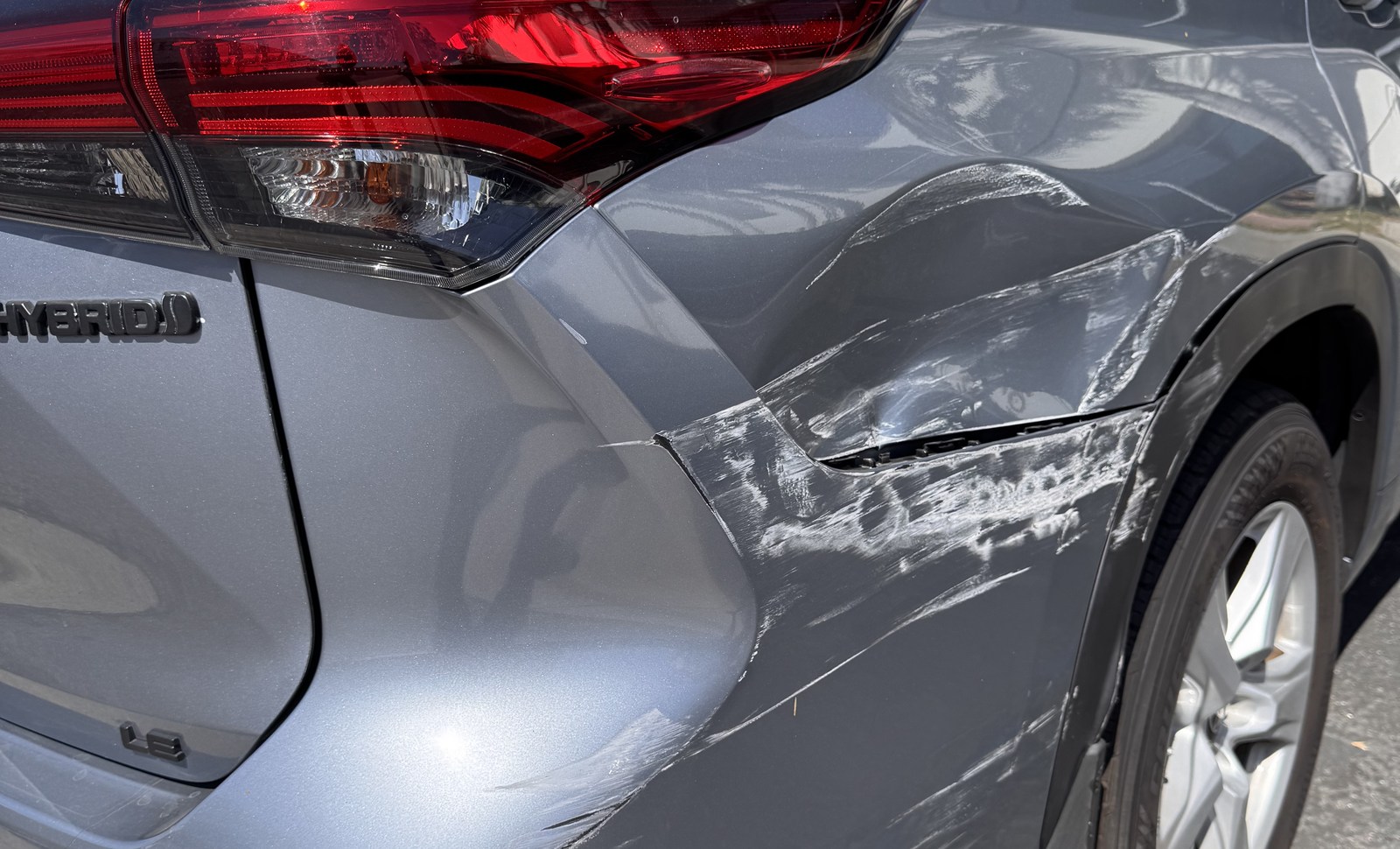
Have the year, make, and model ready. Note where the damage is and whether warning lights appeared after the impact. If the bumper, door, fender, wheel, or light looks out of place, include that in the description.
Take one photo far enough back to show the full side or end of the vehicle, then add closer photos of the damage. Include adjacent panels or trim if they look misaligned.
Give the damage some context.
A close-up helps the shop see a scratch, crack, or dent. A wider photo shows where it sits on the vehicle and whether nearby panels, lights, trim, or wheels may also need a look.
If there was an impact, write one plain sentence about what happened. A parking-lot scrape, curb contact, or rear-end hit gives the estimator useful context without asking you to diagnose the repair.
Use the room-and-furniture approach to photos.
Think of the full side or end of the vehicle as the room and the close damage photo as the furniture. The close view shows the scratch or crack. The wider view helps show where it sits and what else is nearby.
If you only have a few minutes, take one wide photo, one close photo, and one angle that includes the nearby light, trim, wheel, or panel. That is enough to begin a useful conversation.
Add claim details if a claim is open.
Keep the claim number and adjuster information with the vehicle details. California's Department of Insurance advises drivers to photograph the scene and visible damage, exchange information, and notify the insurer promptly when a claim is involved.
Bravada works with all major insurers and can keep the repair-side information organized. The insurer decides coverage and authorization under the policy.
Treat the first estimate as a first look.
An initial estimate reflects visible damage. A closer inspection or repair may reveal additional work, and an insurer may need to review that work during a claim.
Ask about the visible repair path, what information is still needed, whether the vehicle may involve sensors or cameras, and what happens if more damage appears.